60 per cent of Covid-19 sufferers do not experience symptoms, study reveals
The study suggests non-traditional symptoms, including chills and headaches, are linked to coronavirus

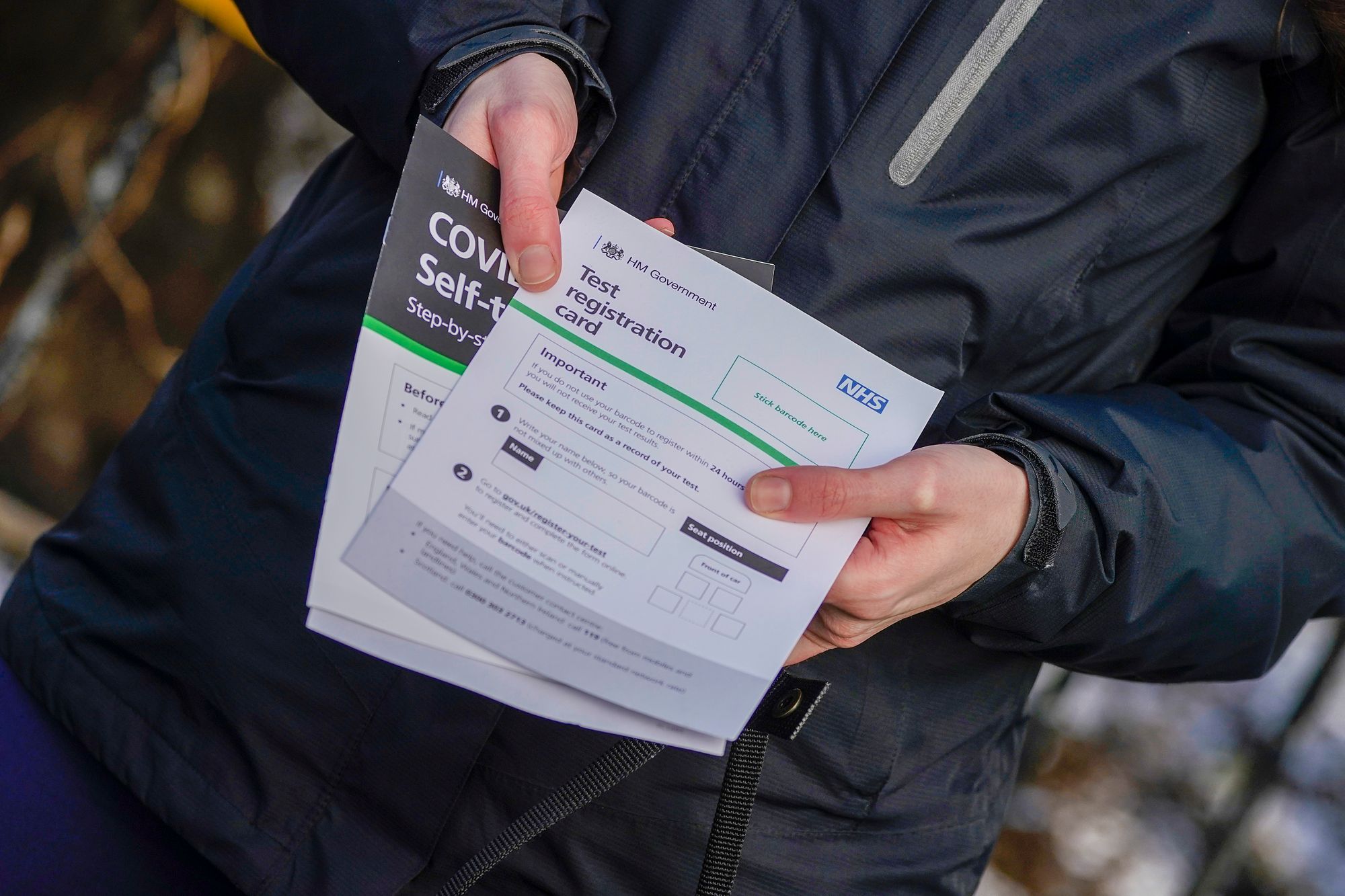
About 60% of people who contract coronavirus do not experience symptoms in the week before testing positive, new research reveals.
The “classic” symptoms are a persistent cough, fever and loss of taste or smell, and the NHS currently advises anyone suffering from them to take a Covid test.
However, the latest update from the Imperial College London-led REACT survey reveals that most people who test positive report none of these issues, with other symptoms instead being linked to Covid.
The proportion of sufferers who experience chills, headaches, loss of appetite and muscle aches is increasing.
The research also found a variation of symptoms with age and while chills are linked to positive testing across all age groups, headaches were commonly reported in children and young people aged between five and 17.
Appetite loss has been reported in the 18 to 54 and 55+ groups, while muscle aches are also noted by those aged 18 to 54.
Infected five to 17-year-olds are less likely to report a cough, fever and appetite loss compared to adults.
The study monitors coronavirus infections in the community by testing 150,00 randomly-selected people each month, over a two-week period. The latest findings have been submitted for peer review.
Professor Paul Elliott, director of the REACT programme, said: “These new findings suggest many people with COVID-19 won't be getting tested – and therefore won't be self-isolating – because their symptoms don’t match those used in current public health guidance to help identify infected people.
"We understand that there is a need for clear testing criteria, and that including lots of symptoms which are commonly found in other illnesses like seasonal flu could risk people self-isolating unnecessarily.
“I hope that our findings on the most informative symptoms mean that the testing programme can take advantage of the most up-to-date evidence, helping to identify more infected people.”
The new research comes a week after a 140-strong group of GPs urged health officials to add other new symptoms to the official Covid watchlist.
In a letter to England's chief medical officer, Professor Chris Whitty, the London-based doctors said patients are presenting with symptoms that would traditionally be dismissed as a common cold before testing positive for covid.


