Average wait time for elective treatment at Rochdale hospitals is more than 16 weeks
The average wait time for the Northern Care Alliance, which oversees hospitals in Rochdale, was 16.3 weeks and 54.2% have been waiting less than 18 weeks - according to the latest report from the Public Accounts Committee

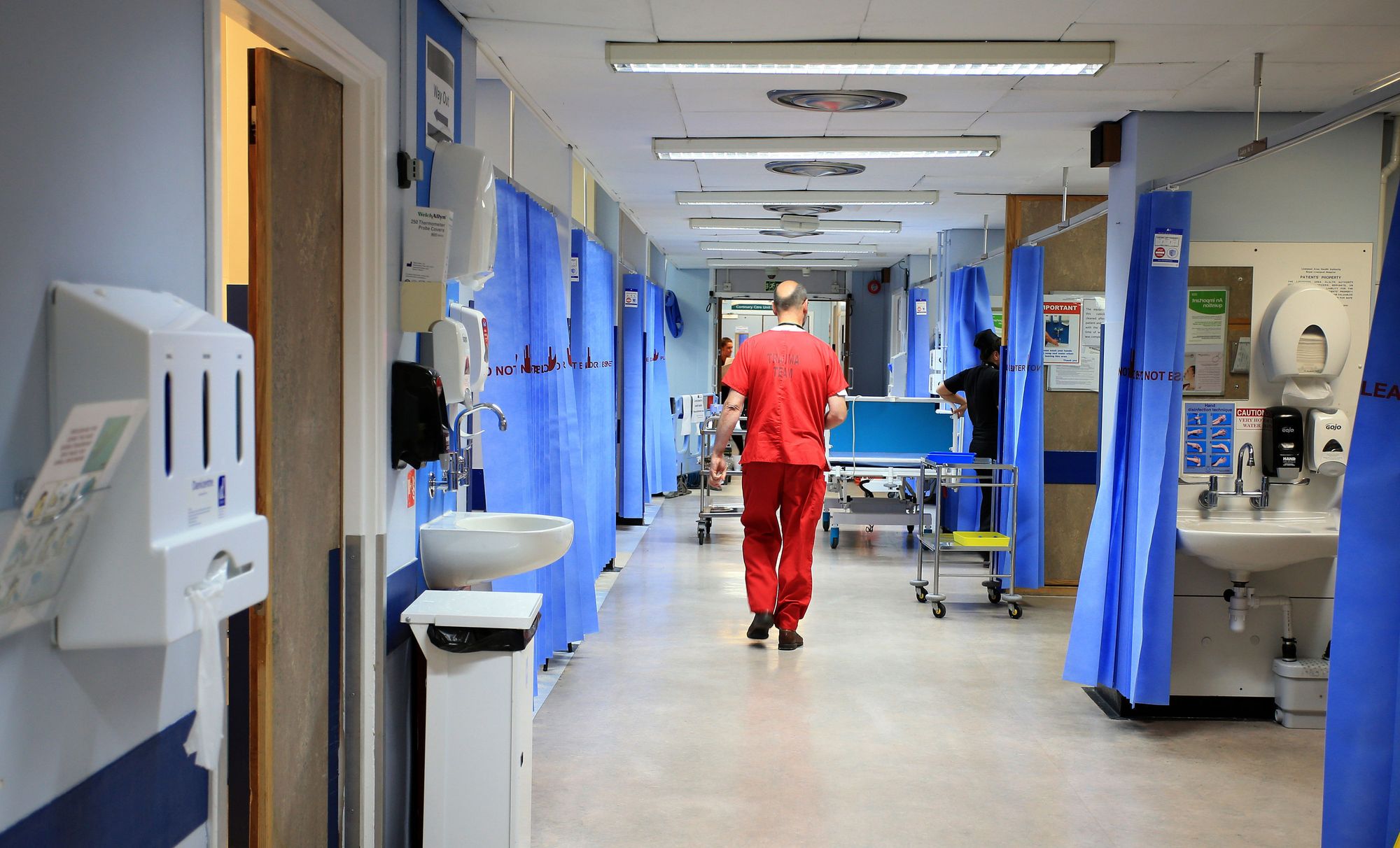
Photo: Peter Byrne/PA Wire
The pandemic has seen waiting lists hit record highs, with the amount of time patients can expect to wait also rapidly increasing.
As of the end of January, there were a record 6.10 million people waiting for elective treatment, such as knee and hip operations, at NHS hospitals in England.
The average wait time for the Northern Care Alliance, which oversees hospitals in Rochdale, was 16.3 weeks and 54.2% have been waiting less than 18 weeks - according to the latest report from the Public Accounts Committee (PAC).
This means there were a total of 132,234 people on the waiting list at the end of January, including 6,234 waiting over a year and 357 over two years.
The target is that 92% of people wait less than 18 weeks from when they are first referred, but as the PAC points out this hasn’t been hit since February 2016, well before the pandemic.
As part of its Elective Recovery Plan, the Government has said no one will wait longer than two years for treatment by July 2022, with waits of over a year eliminated by March 2025.
NHS Trusts were also routinely missing cancer treatment targets, both before and during the pandemic.
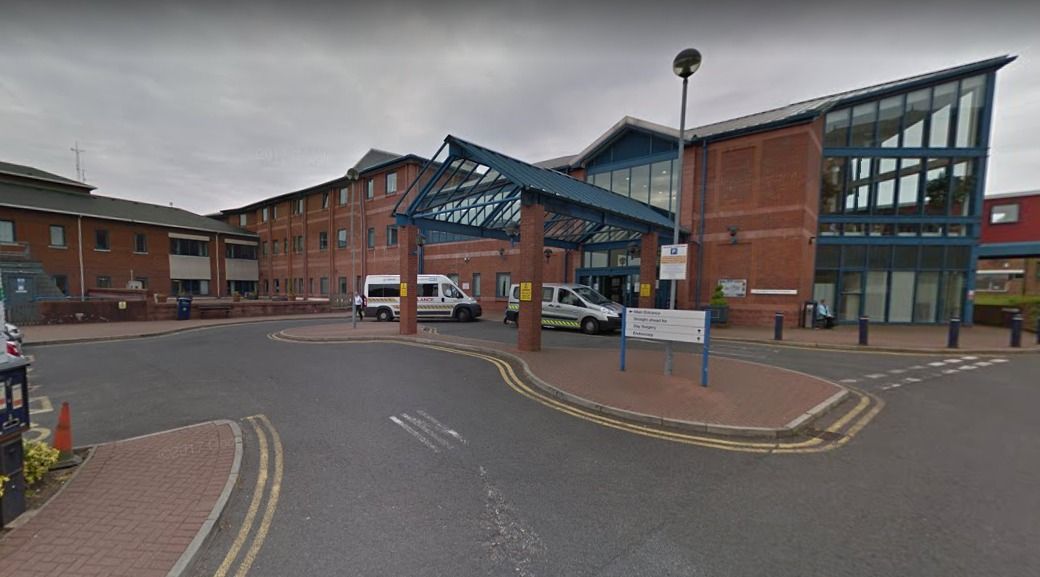
In January, performance was the worst it's been on record for eight out of nine standards set for diagnosis and treatment.
For the NCA 58.5% of patients were told they did or didn't have cancer within 28 days, and 52% of those urgently referred started treatment within 62 days.
Dame Meg Hillier MP, chairman of the PAC, said: “DHSC has overseen a long-term decline in elective and critical cancer care that is dragging our National Health Service and the heroic staff down.
“We on PAC are now extremely concerned that there is no real plan to turn a large cash injection, for elective care and capital costs of dangerously crumbling facilities, into better outcomes for people waiting for life-saving or quality-of-life improving treatment.
“Exhausted and demoralised, NHS staff have emerged from two hellish years only to face longer and longer lists of sicker people. And this is compounded by staffing shortages in a number of professional areas.
“The cycle of glib headlines and fiddling with management structures must be broken, with an overhauled “people plan” that gets to the core of the desperate under-staffing and under-resourcing that have undermined our health system.”
The DHSC said the pandemic had put unprecedented pressures on healthcare and the department is tackling this head on.
A spokesperson said: “We have set out our action plan to deal with the Covid backlog and deliver long-term recovery and reform, backed by a record multibillion-pound investment over the next three years, and our Ten-Year Plan on cancer.
“We are clear that business as usual is not enough. That’s why we are delivering brand new surgical hubs and another 100 community diagnostic centres providing an extra nine million scans, checks and procedures by 2025.”


