Cambs parents and teachers are frustrated at Covid home-learning but agree schools should not reopen
The government could not guarantee a return to face-to-face learning for all before Easter.

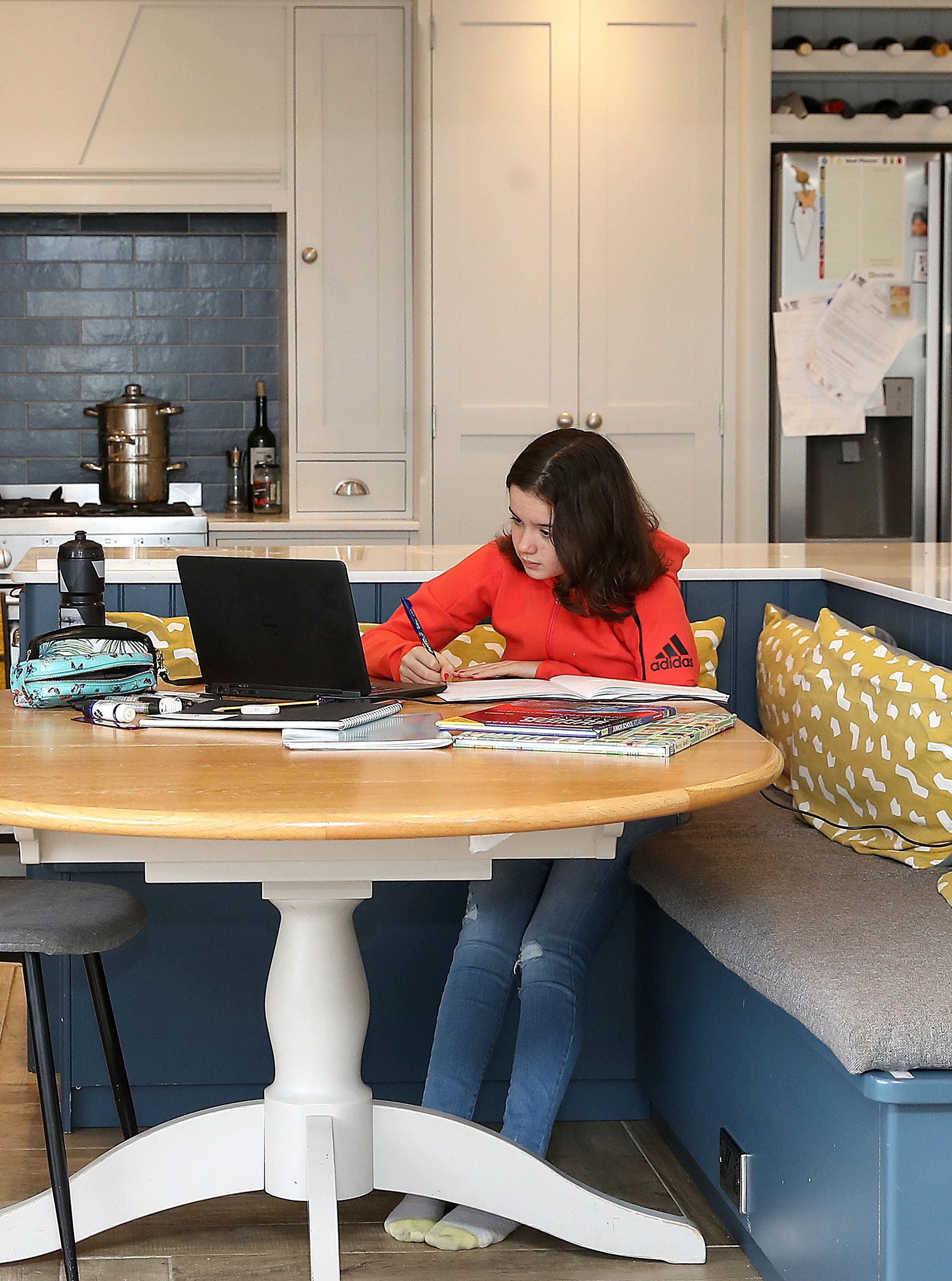
Pictured above: A student learning from home. (Credit: Martin Rickett/PA Wire).
Parents and teachers alike are tired of home learning, but broadly support government plans to not return to face-to-face teaching for some months.
Prime Minister Boris Johnson said on Monday he could not guarantee that schools would reopen to face-to-face teaching before Easter, despite previously saying he hoped to lift lockdown restrictions by mid-February.
Cambridge parents were somewhat relieved at the news, despite the stress of home learning continuing.
Lynn Fraser, who has a son in year 11, blamed the government for letting the virus “run rampant”.
She said: “It’s hard for children and parents - but the alternative is what is happening in hospitals now and potential death or long-term illness for ourselves and those we love.”
The Cambridge mum said she did not want her son in school contracting the virus and bringing it home, adding: “The loss of one of us will impact him far more seriously than a few months out of school.”
She said she would like to see a long-term change in improving the education system, curriculum, exams, and staffing to compensate for the lost time, and in the short term, ensure schools focus on more than just final exam grades.
Miguel Roca, a parent of primary school children who has worked as a teacher for a number of years, said schools should stay closed until all vulnerable groups were vaccinated, as well teachers, who are not currently considered a priority.
He added: “Anything less will cost lives or cause some people potentially life-changing consequences if they survive a bout of Covid or Long Covid.”
Long Covid is a term used to describe the effects of Covid-19 that continue for weeks or months beyond the initial illness, such as extreme fatigue.
Marina McCarthy, a St Neots parent-of-three who works in a school, said her youngest primary school-aged children were “really suffering” as a result of home learning, but said schools must stay closed for teachers’ safety.
Logistical issues such as not having access to a printer to print out worksheets made home learning difficult, and her youngest children only had half an hour of live classes per day.
She added: “However, I wouldn't feel comfortable sending them to school right now.
“Collection and pick up require queues with a lot of other adults and as we now know children are able to spread the virus and with a new variant that is more dangerous and viral, I think a solid firm lockdown is what is needed.”
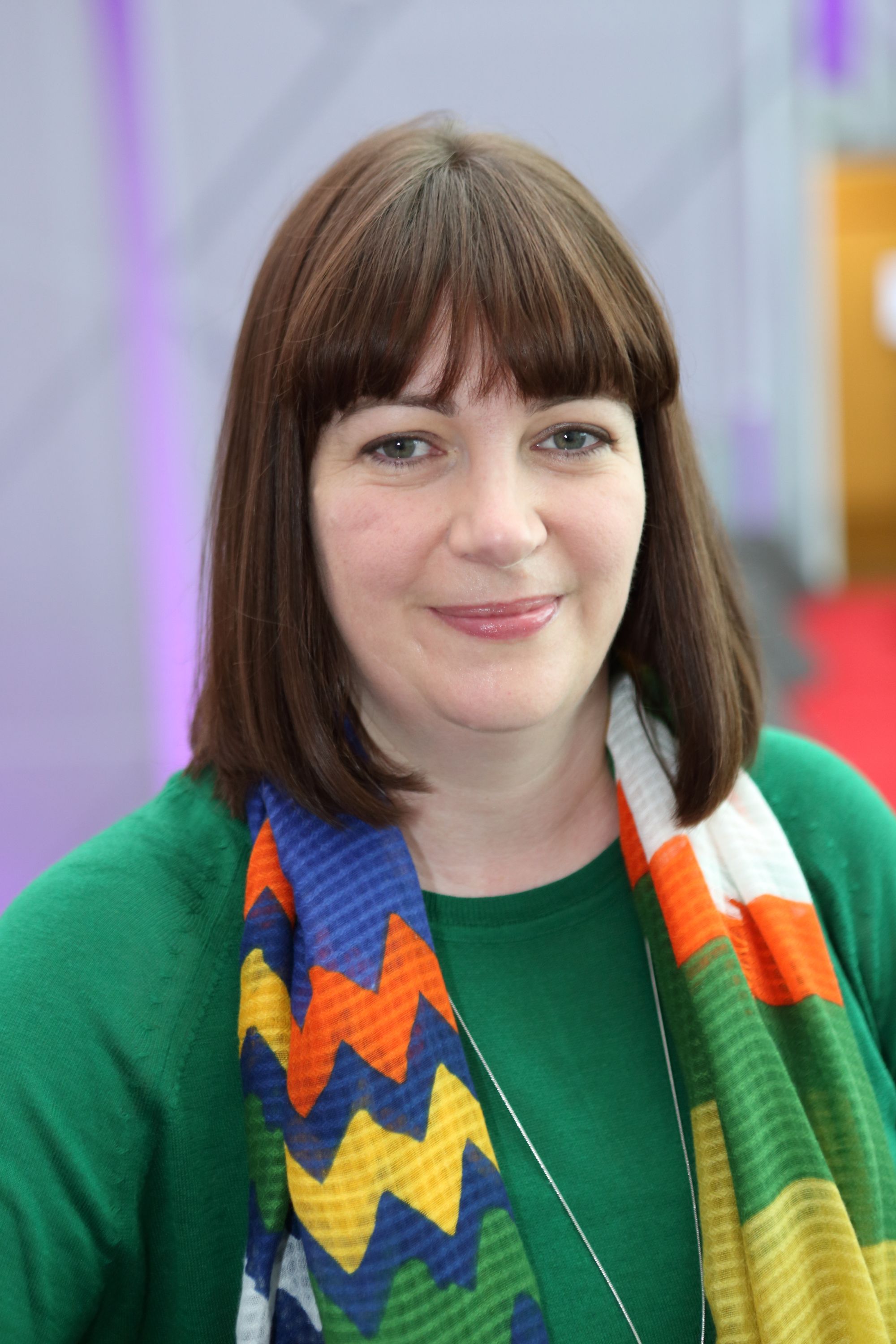
Niamh Sweeney, National Education Union (NEU) eastern region executive member and a Cambridge sixth form teacher, said teachers were extremely anxious at the thought of returning to face-to-face teaching for all students, and were just getting into a good pattern of what works for remote learning.
She added: “Teachers and support staff genuinely feel responsible for the wellbeing of their children, and it almost seems like ‘teacher bashing’ to say we’re not doing enough or not doing well enough.
“We’re trying to educate in a way that no one has any experience of doing, and we can’t alone fill the gap of mental health services for students.”
She added: “We do need a roadmap out of this, but we can’t fixate on a date.
“There has to be certain tests in place on what we need for schools to reopen and listen to what the Scientific Advisory Group for Emergencies (SAGE) says, and what the r-rate (reproduction rate) should be.
“Then the decision should be made at a local level by the local authority, Public Health, and the NHS.
“The last thing we want to do is go back to face-to-face schooling and increase the transmission rate and have a knock on effect on Addenbrooke’s Hospital.”
She added more people needed to wear masks in schools and there should be a staggered return, to reduce the number of contacts per person and reduce the number of infections on public transport.

The NEU published a ten-point education recovery plan in June.
It suggested public buildings such as libraries and sports halls, civic centres and religious buildings could be used to expand the space available to schools so that social distancing is possible.
It added that qualified teachers who have left the profession should be encouraged to return, much like how retired doctors and nurses were asked to return to work. More teachers would mean smaller class sizes would be possible.
Ms Sweeney continued: “The government is talking about children's mental health and the impact of being at home has on them.
“If it’s truly serious about supporting children with their mental health and lost learning, then it needs to invest now in support services so we can get help to those children who need it and it needs to think about a recovery plan for the curriculum.
“We know exams are not going ahead this year but we need to look to next year and beyond because all children will have been affected by not being at school.
“We need more teachers, smaller classes, and a grown-up professional discussion with educators about what the purpose of our curriculum should be.
“We can't just keep doing the same old thing.”
Ms Sweeney also pleaded with education secretary Gavin Williamson to give schools adequate notice when he does decide to reopen them.
She said that, for example, receiving notice at the beginning of the Easter Holidays would effectively be no notice, since the holidays are not working days.
“Headteachers have gone above and beyond and deserve better from a secretary of state,” she said.
See the latest news, information, conversations and much more, all tailored to your neighbourhood, in your InYourArea live feed here.


