Charity urges people to get potential cancer symptoms checked
Macmillan appeal after seeing increase in untreatable forms of the disease

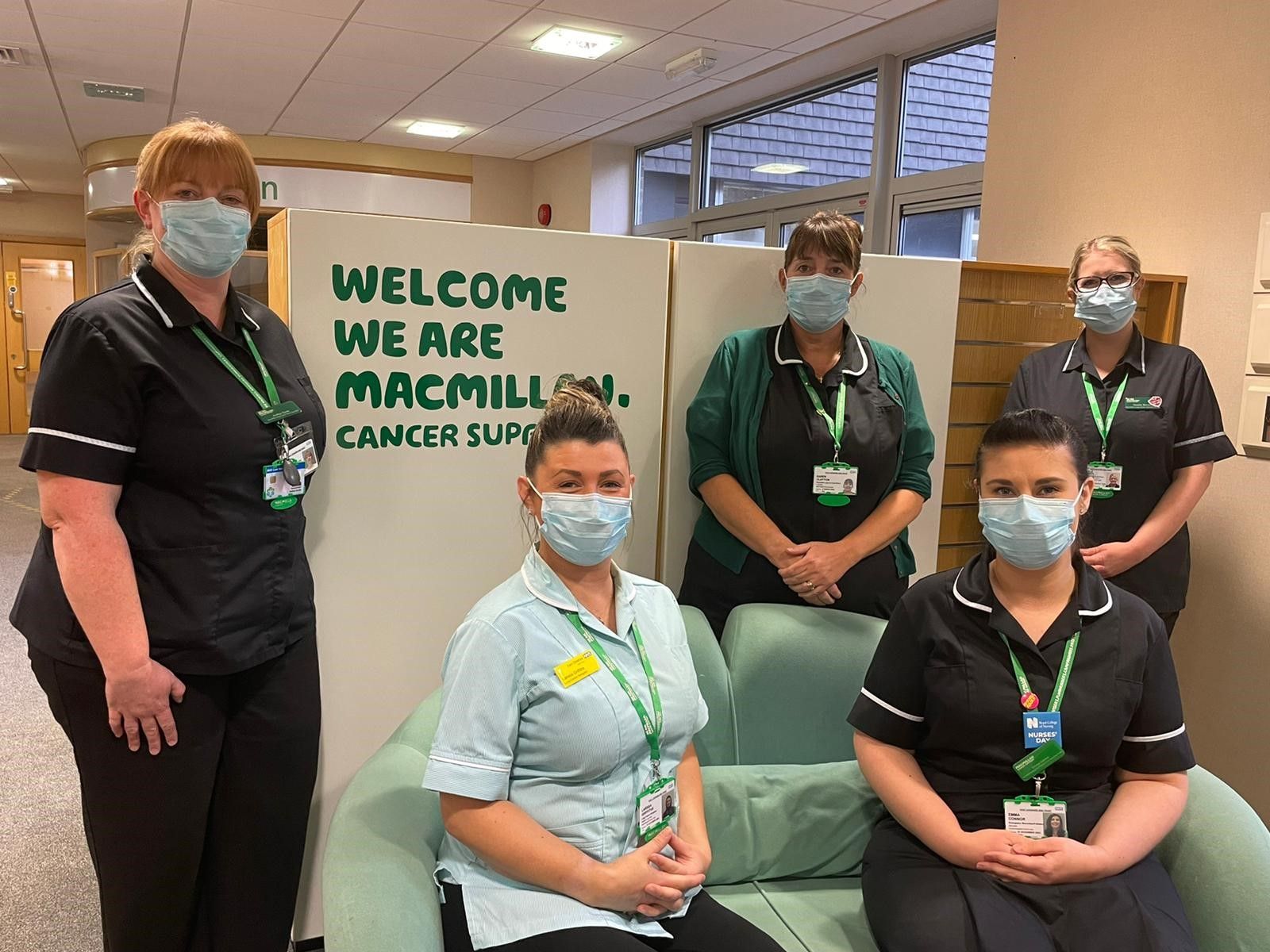
A CHARITY is urging people to get potential cancer symptoms checked out after seeing an increase in untreatable forms of the disease in Macclesfield, Cheshire.
Karen Clayton, Macmillan’s lead lung cancer nurse at Macclesfield Hospital, is in charge of a team that cares for 320 patients in the area.
And she says that since the start of the Covid pandemic they are finding more people with metastatic or advanced cancer at diagnosis.
Karen said: “We’re seeing that our patients are de-conditioned after spending many months during the pandemic staying at home with reduced mobility.
“When a patient has lost strength, they find it more difficult to cope with both the effects of the cancer and the treatment. Please do not sit on symptoms.
“We want to encourage everybody who has lung cancer symptoms to contact their GP as early as possible. If after a first visit symptoms persist I would urge people to please go back to their GP.”
Among the symptoms to look out for are a cough that doesn’t go away after two or three weeks, repeated chest infections, coughing up blood and persistent breathlessness.
There is also a loss of appetite or unexplained weight loss, an ache or pain when breathing or coughing and persistent tiredness or lack of energy.
Other members of Karen’s team include two part-time lung clinical nurse specialists and a lung navigator, Larissa Griffiths.
Together they both care for and support patients from pre-diagnosis through to end of life, operating a rapid access lung clinic for patients both during and after consultations which can often result in bad news.
The aim is also to help things run smoothly so there is a pathway from diagnosis to treatment of 62 days.
Karen said: “We also have three nurse clinics a week and we provide specialist palliative care as well.
“When things change for our patients, they stay with us.
“They trust us because we’ve been with them from the beginning.
“We know them and we know their families, which helps everyone, particularly when it comes to having difficult conversations.”


