Dec 31 – On this day in Cambridgeshire history
On this day, the Cambridge News' shilling fund helped hungry children, a 250-year-old tithe barn was pulled down, and the Corn Exchange featured one of the most astounding performances ever placed before the public.

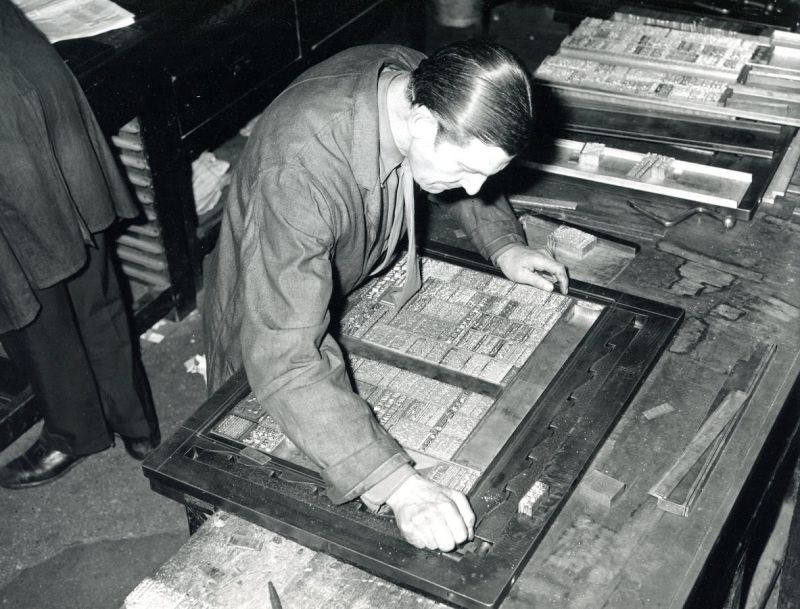
Each day, Mike Petty and I look through the archives of the Cambridge News and recount some of the stories that occurred on this day in history.
Stages erected on banks of Ten Mile River
1926
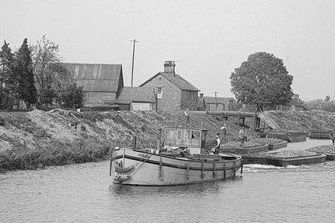
The Great Ouse River Board heard that a number of stages had been erected on the banks of the Ten Mile River and the Wissey for loading sugar beet.
The banks in many cases had been cut. Furthermore, in loading the beet onto barges, a quantity of earth was allowed to fall into the river. It should be made clear this should not be done without the approval of the board.
Sir Fred Hiam proposed notices be printed so the factories could send one to each farmer who contracted with them to supply beet.
Tithe Barn to make way for new houses
1909
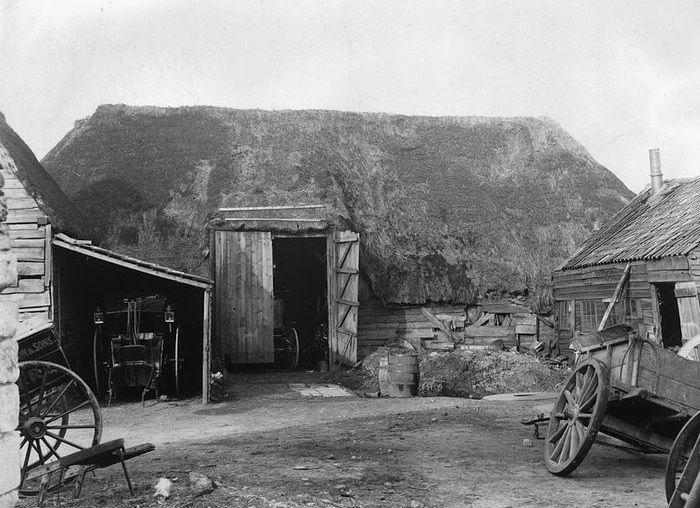
The 250-year-old tithe barn in Shelley Row, Castle End, is to be pulled down to make way for new houses.
It is still in good repair with patches of new straw used to mend the high and thickly-thatched roof.
It was used as a resting place by the French prisoners taken in the Peninsular War during their journey to the prison camp at Norman Cross.
Many people bought objects such as dice and dominoes they made from the bones of the meat supplied to them.
The ‘True Blue’ in Hobson Street was also one of the billets.
News' shilling fund allays pangs of hunger
1904
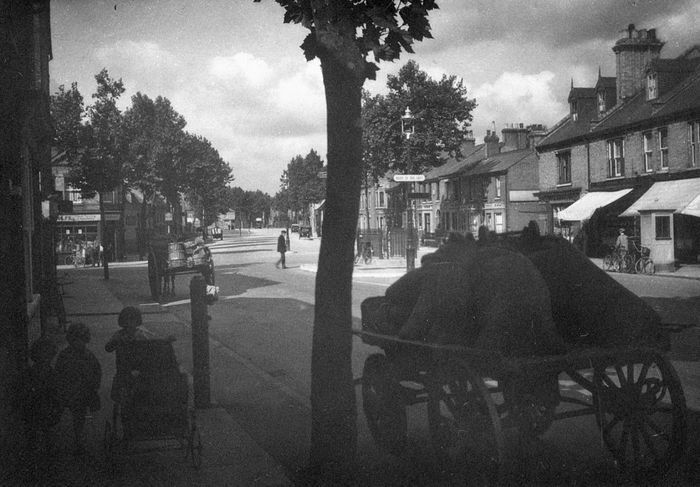
For some time, Miss Wilson and her hard-working band of ladies have been daily allaying the pangs of hunger in hundreds of little children and their mothers in the Newmarket Road area of Cambridge by giving them free dinners. Now their effort is brought to an end.
Not only are the financial resources exhausted but the staff have physically worked themselves out.
But on the very day that these free meals cease, the Cambridge Daily News shilling fund commences its distribution of tickets for food, fuel and clothing, continuing the work they have been compelled to give up.
Subscriptions continue to come steadily in with cheques from Messrs Starr and Rignall photographers, Moore and Company tobacconists and the Cambridge waterworks company.
Kettle boiled on ice, ice cream made over fire
1904
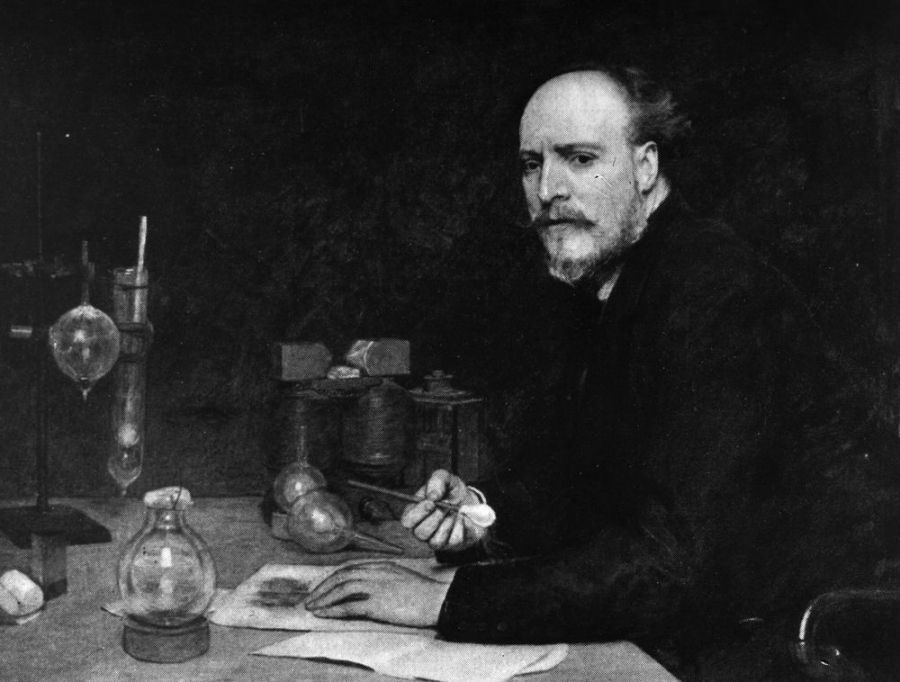
Liquid air is no new thing in Cambridge for it was our own Professor Dewar who was the first scientist to obtain liquid in hydrogen.
Its application to everyday life is new and emanates from the stage. The principal attractions at the inventions and trades exhibition in the Corn Exchange will be Dr Savant’s demonstrations of a kettle boiled on ice, eggs poached in one second, grapes instantly turned into hailstones and ice cream made over fire.
It is one of the most marvellous and astounding performances ever placed before the public.


