Gardeners warned not to be fooled by Japanese knotweed's winter hibernation
The hugely invasive weed might look like it's dead - but it's not.

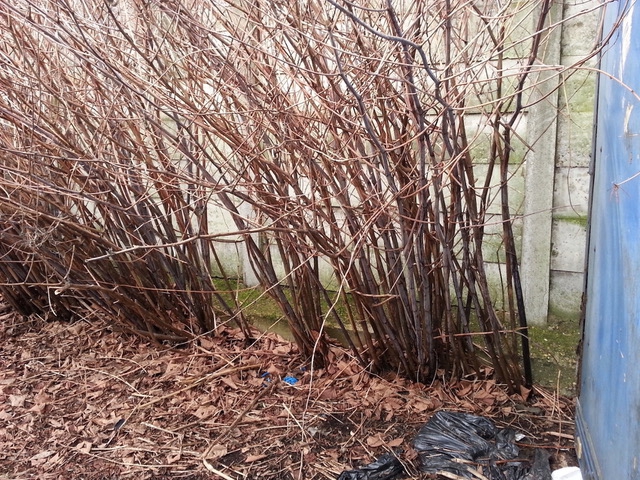
Gardeners in the towns of Bracknell, Wokingham and Reading, Berkshire have been warned not to rest on their laurels over the dreaded Japanese knotweed.
The hugely invasive plant dies off over the winter, but specialist Environet is warning people not to put off delay with the weed as it will return, bigger and stronger.
The bamboo-like canes are now turning brown and brittle, which can fool gardeners into thinking it's dead.
Despite attempts to cut it out or even burn it, the plant's rhizome system under the ground is healthy and lies dormant through the winter.
Herbicides can't be used during winter either, as they need the plant to be in leaf.
Nic Seal, MD and Founder of Environet said: “Each winter we see enquiry levels fall, but we know Japanese knotweed hasn’t magically disappeared, it’s simply a case of out of sight, out of mind.
Savvy homeowners will take action through the autumn and winter to tackle knotweed on their land, ensuring they don’t face an even bigger problem next spring.
Digging knotweed out of the soil is an instant solution, giving homeowners complete peace of mind and the freedom to sell their property if they so wish.”
Environet also advises anyone buying a house to have a good look for the weed.
The sellers may have tried to hide it.
Buyers need to look for the crown in the ground.
A surveyor should be able to identify it.
Sellers are warned that deliberate concealment is illegal.


