Nostalgia column: Cammack Mineral water
Dot Broady-Hawkes takes a look at Ormskirk in bygone times.

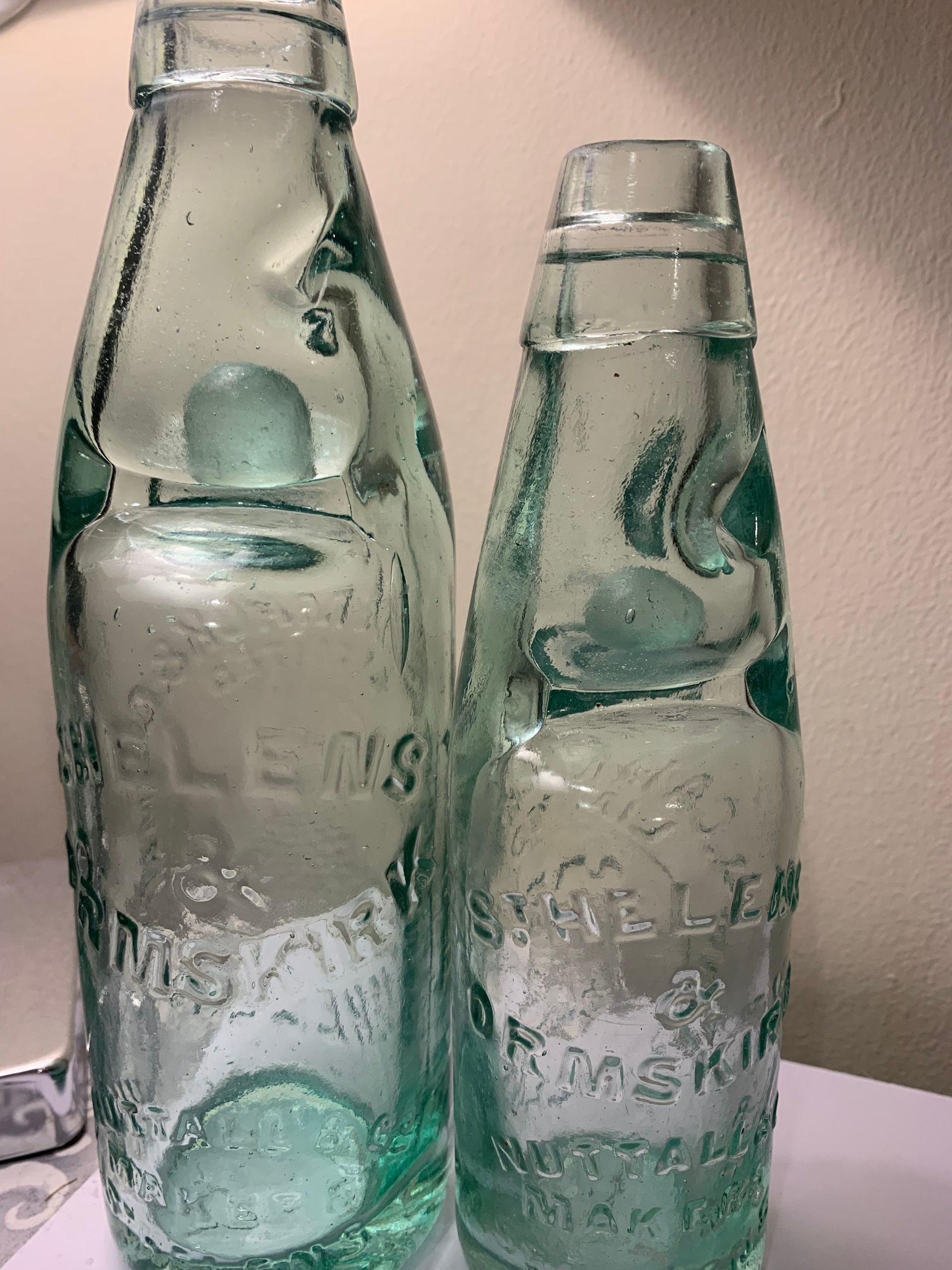
Authors own J. Cammack Mineral water 'Codd' bottle complete with marbles inside.
By Dot Broady-Hawkes
George James Cammack managed his Mineral Water Factory behind the old Troqueer building in Aughton Street, next to what is the Acropolis. There is still part of the factory left, a low white building set back from Aughton Street running up to Bridge Avenue.
George James Cammack was born in Appleton Thorn, Prescot, Lancashire and was the son of John and Mary Elizabeth Cammack nee Hill, who operated a successful mineral water manufacturing company in Windle. Mary Elizabeth Hill had been born in Market Raisen, Lincolnshire but her widowed mother moved to Scarth Hill to work for a Lathom family.
John Cammack was born in Aughton Street, Ormskirk, close to the old Talbot Inn, he was the son of Ormskirk watchmaker and watch finisher, Robert Cammack. Robert Cammack moved his large family from Aughton Street to Moor Street, just a few doors from the Golden Lion.
By the time John was 18, he had moved to lodgings in Roscoe Street, Liverpool and he was training to be an analytical chemist, many students only studied at evening classes and during the day they gained practical experience working in an actual chemist’s shop. After John qualified as a chemist he returned to Ormskirk to live with his parents, still on Moor Street but by now living and working next door to the Queen’s Head.
It was from that address at 32 Moor Street, an enterprising John began to operate his mineral water manufacturing business. As far as can be worked out from maps, he opened the factory in the premises behind 57 Aughton Street. The building was most probably purpose built and can still be seen today, it is a long two story white building set square to Aughton Street and would have sat directly behind Troqueer House, which is now the car park next door to the Telephone Exchange.
John Cammack operated in Windle as a Mineral water chemist managing the mineral water works at Windle for many years, he lived at Fernsholme, Prescot Road, St Helens. He died in December 1922.
From the 1890s, John’s eldest son George James Cammack managed the Ormskirk Mineral Water Works. He diversified and manufactured soda water which was taken home by customers in a glass soda-siphon which was returned once empty for a refund of the deposit or a refill.
Operating the Mineral water business in Windle meant that the local glass bottle firm of Nuttall’s supplied the factory. Nuttall’s began manufacturing glass bottles in 1871, just in time for the Codd bottle. The story goes that this bottle was responsible for how the term "pop" came about. When the marble was pushed in, there was a "pop" sound. This has also been nicknamed a "Pig bottle."
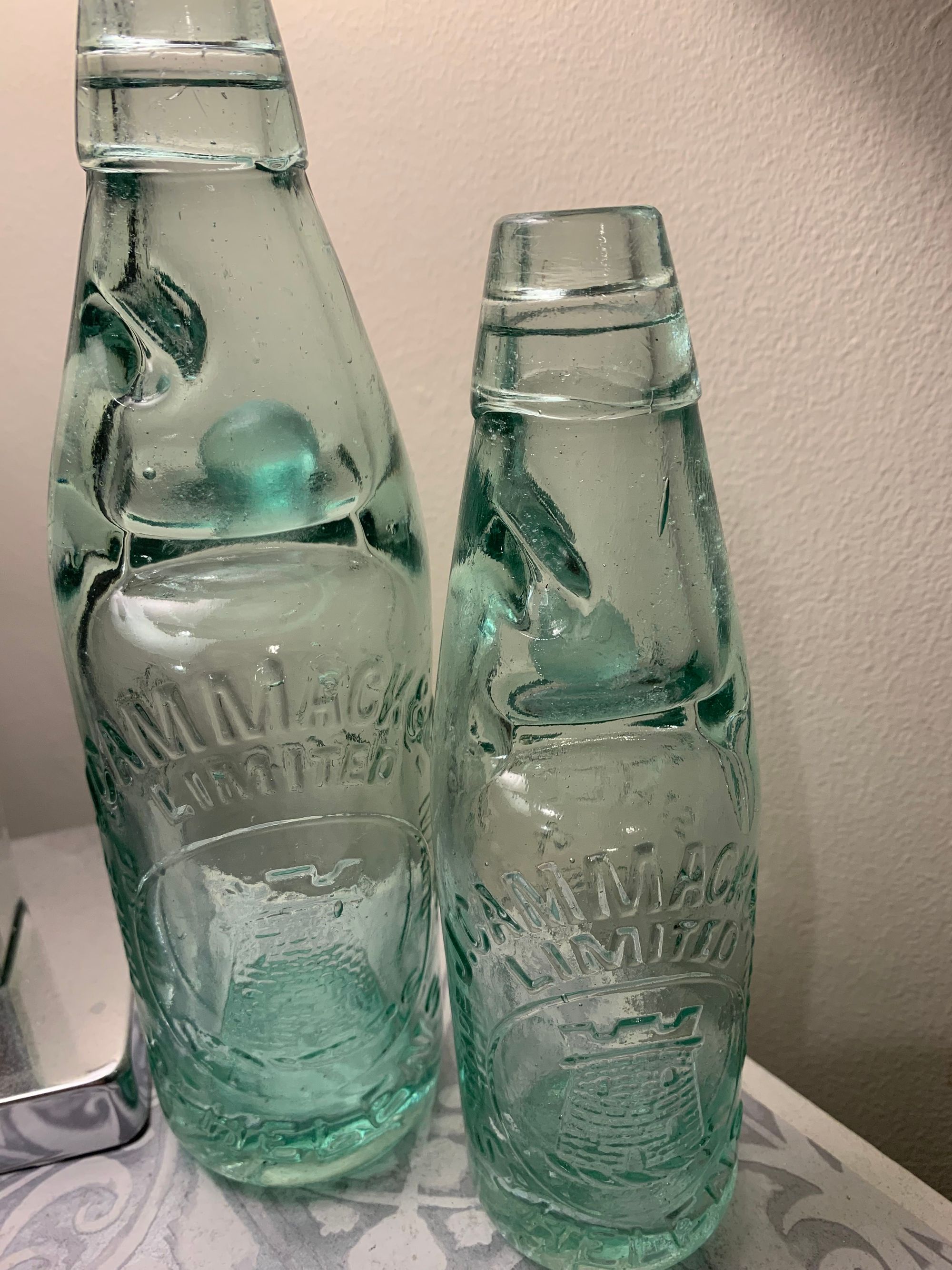
Hiram Codd (January 10, 1838 - February 18, 1887) was an English engineer from Camberwell, London. In 1872, he patented a bottle filled under gas pressure which pushed a marble against a rubber washer in the neck, creating a perfect seal. Antique British Codd bottles were manufactured for carbonated beverages, mineral waters and early sodas. The marble in the neck of the bottle helped seal in the carbonation. Sometimes referred to as "Marble" or "Allie" bottles, they date from between the mid 1870s and the early 1900s.
Dixon-Nuttall seems to have sold his Ravenhead Bottle Works to Pilkingtons in 1859 and gone into retirement. He returned to the bottle making business under the name of Nuttall & Co. on March 2nd 1873, when the first sod was cut on his new works. This was on a site just south of Ravenhead Colliery by the side St. Helens - Huyton railway.
The glass bottles replaced the earlier ceramic bottles used to hold ginger beer.
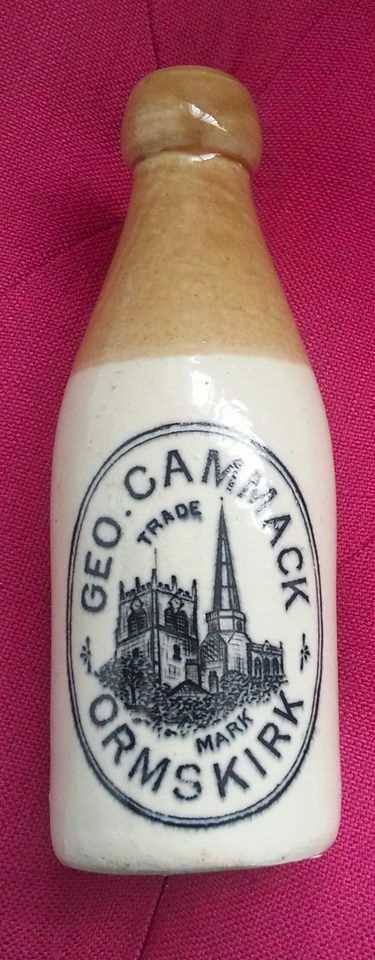
These ceramic bottles with manufacturers branding on them are becoming increasingly sought after. In recent weeks Cammack ceramic bottles have been selling in online auctions for over £500 each.
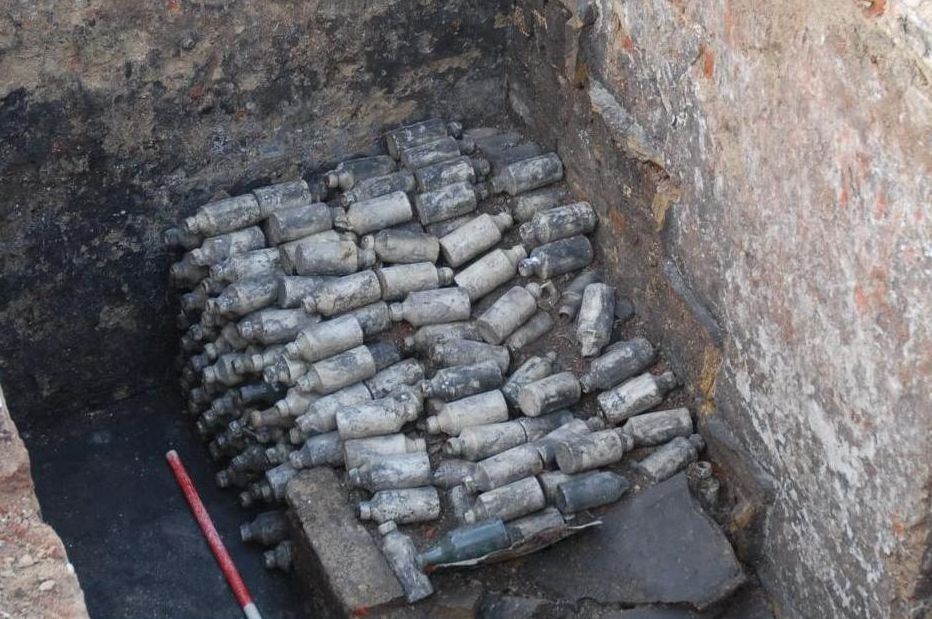
In February this year during the renovation of an old pub in Leeds, 600 such bottles were discovered neatly stacked and still intact under a cellar staircase. If that were to happen here in Ormskirk the value of the Cammack bottles would plummet.
John Cammack died in the 1920s and his son George in the 1930s and the Mineral Water businesses closed.
Get all the latest news, updates, things to do and more from your local InYourArea feed.


