Putnoe brain tumour survivor takes on steps challenge for charity
Laura Peggs was left disabled by a brain tumour as a child

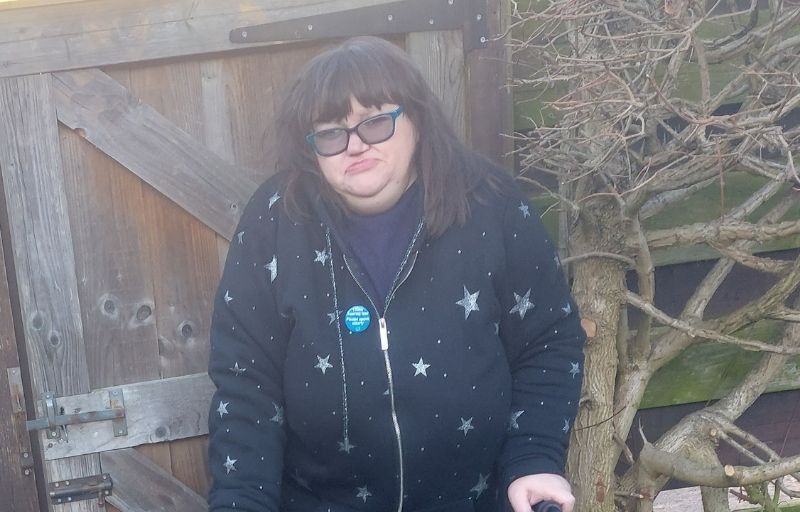
Laura Peggs. PHOTO: Brain Tumour Research
Submitted by Brain Tumour Research
A woman from Putnoe in Bedfordshire who was left disabled by a brain tumour as a child, has taken on a steps challenge using a four-wheeled walker, to raise money for Brain Tumour Research.
Laura Peggs will be taking part in the charity’s 10,000 Steps a Day In February Challenge, which has been adapted so she can complete it over two months.
The 43-year-old was diagnosed with a brain tumour in 1988 following problems with coordination, balance and development.
Her symptoms were initially overlooked due to her mother’s ill health and it was not until 10 months after her mum died that Laura was taken to see a doctor and referred for the CT scan which detected her ependymoma.
At the age of 10, she had a shunt fitted to treat hydrocephalus and underwent a craniotomy a week later, followed by radiotherapy.
Laura was left profoundly deaf in her right ear, moderately deaf in her left ear and completely blind in her right eye.
She had to endure many months of physiotherapy after being left with hemiplegia down her right-hand-side and with very little sensation in her right foot.
She also experienced poor balance, frequent dizzy spells and chronic pain, managed by capsaicin patch treatment and the use of a neuromodulation system.
Despite being housebound until recently and requiring the use of a four-wheeled walker, Laura is looking forward to taking part in the challenge.

She said: “I’m feeling quite nervous because I’m seriously out of shape but also quite excited. I became housebound for about 18 months; I was living in a house with two steps leading to it and my balance deteriorated so I couldn’t get my four-wheeled walker in and out.
"I lost muscle tone and put on weight but now I’ve moved into a bungalow, which I love, so I want to try and improve my fitness levels.
“I plan to do 5,000 steps a day for two months and I’m going to give it my best shot.
"I love animals and I’d really love a hearing dog because I do get quite lonely and isolated, so the walking challenge will help towards that goal too.”
Laura, who helps run a social group that hosts activities for people with physical, sensory and learning difficulties and helped organise Bedford’s first disability awareness week last year, also lost a school friend to a brain tumour.
She said: “I had my brain tumour 33-years-ago but I still live with the impact of it every day. I also lost a friend to a brain tumour so it’s a cause close to my heart.
"We went to the same primary school but I didn’t know her before I was diagnosed – obviously after I was, we had that connection. She had a tumour that was fast-growing and passed away when she was 16.
“I didn’t have many friends at school; my life was quite trying and I tended to keep to myself, but I’ve always thought of her and felt guilty of surviving when she didn’t. I’m sure she would have had a great life if she’d been able to live it.”
She added: “The most frustrating thing about brain tumours, they have a poor survival rate so I was very lucky to survive but because they’re in your brain and your brain affects all of your body, if you survive the tumour you can still be left with disabilities.
"I think the work Brain Tumour Research does is amazing. I just wish brain tumours were better known about and better funded and want to do what I can to help.”
After a successful first challenge a year ago which raised nearly £1 million to support vital research and campaigning, Brain Tumour Research’s 10,000 Steps a Day in February Challenge is back.
The charity is calling for people to step up to the Facebook challenge and make it even bigger and better in 2022.
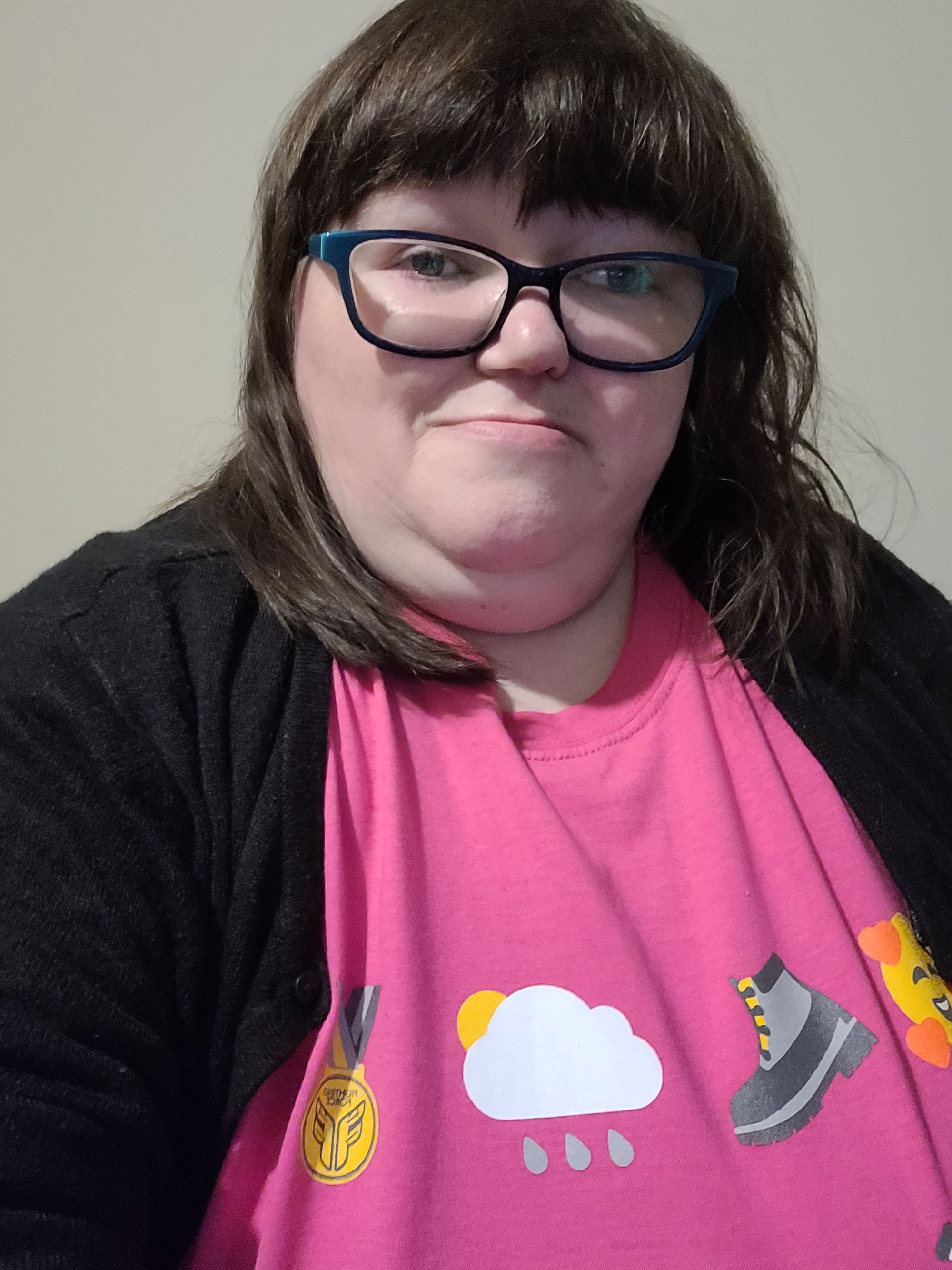
Participants will receive a free emoji t-shirt and fundraising pack when they receive their first donation and a special medal if they raise £274 or more.
Charlie Allsebrook, community development manager for Brain Tumour Research, said: “Less than 12 per cent of those diagnosed with a brain tumour survive beyond five years compared with an average of 50 per cent across all cancers and those who do can be left with a wide-range of disabilities.
"It’s a terrible disease and we will continue to fund vital research to improve treatment options for brain tumour patients and, ultimately, find a cure.
"We’re very grateful for Laura’s support and wish her the best of luck completing the challenge.”
Brain tumours kill more children and adults under the age of 40 than any other cancer yet historically just 1 per cent of the national spend on cancer research has been allocated to this devastating disease.
Brain Tumour Research funds sustainable research at dedicated centres in the UK.
It also campaigns for the Government and the larger cancer charities to invest more in research into brain tumours in order to speed up new treatments for patients and, ultimately, to find a cure.
The charity is the driving force behind the call for a national annual spend of £35 million in order to improve survival rates and patient outcomes in line with other cancers such as breast cancer and leukaemia and is also campaigning for greater re-purposing of drugs.
To support Laura’s fundraising visit here or to join the Facebook group visit here.
Get all the latest news, updates, things to do and more from your local InYourArea feed.


