Rochdale sign language classes aim to break down barriers
Elizasays, which hosts fun and relaxed signing sessions using rhyme, play and song, was started by Lorenza Pye whose daughter Eliza, six, was nonverbal for three and half years

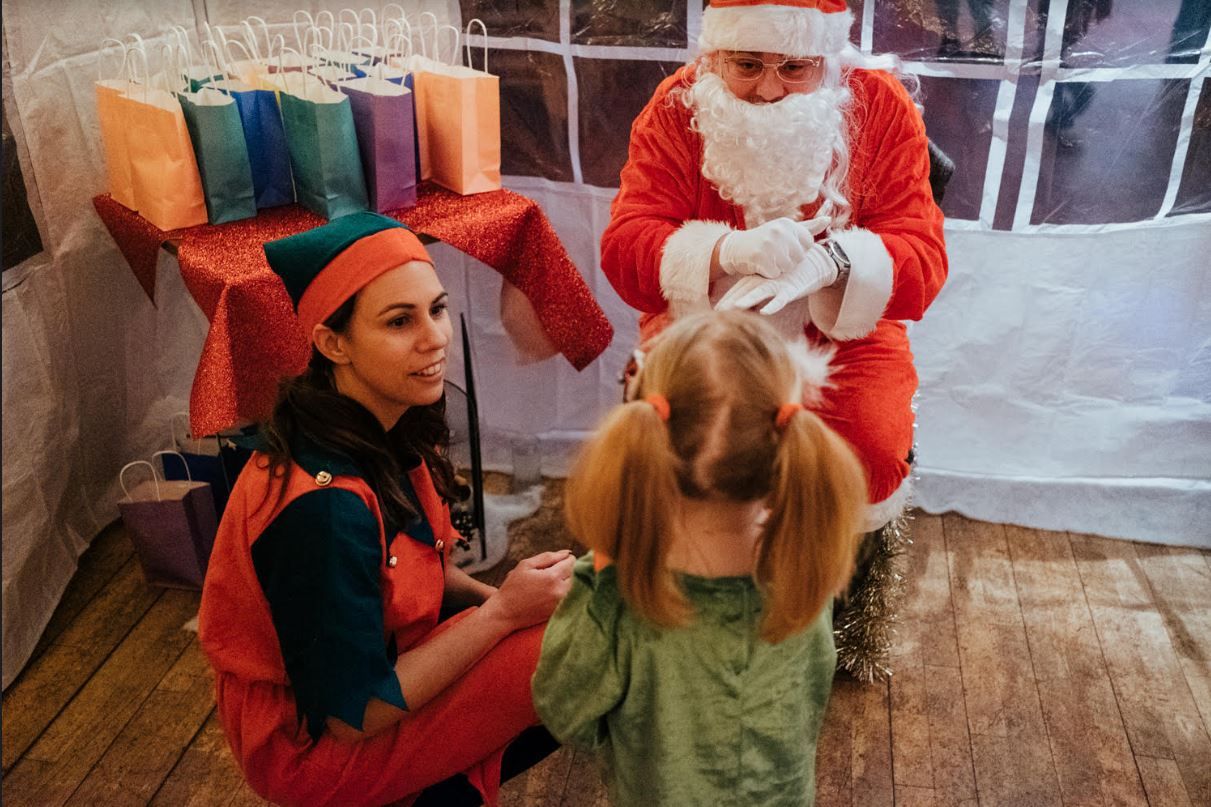
Sign language classes for children and parents are aiming to break down communication barriers.
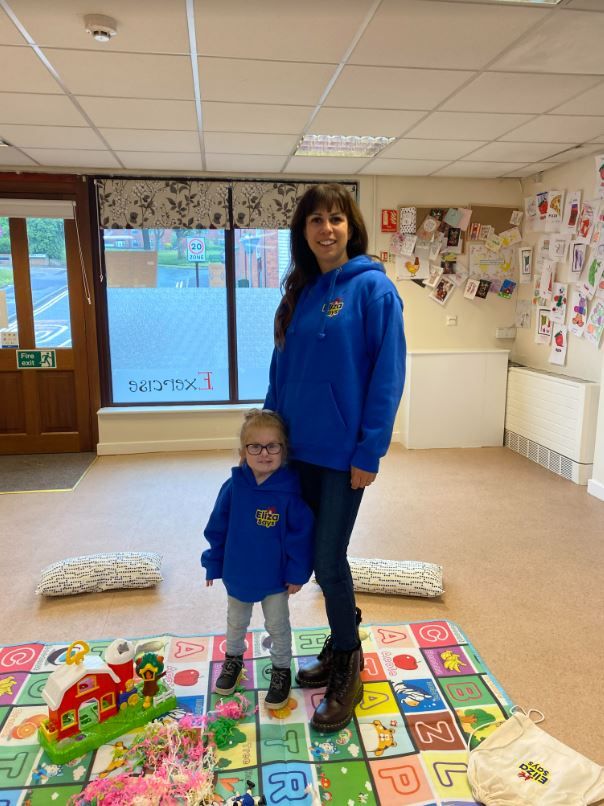
Elizasays, which hosts fun and relaxed signing sessions using rhyme, play and song, was started by Lorenza Pye whose daughter Eliza, six, was nonverbal for three and half years after being diagnosed with CHARGE syndrome and having a tracheostomy.
CHARGE syndrome is an extremely complex syndrome, involving extensive medical and physical difficulties that differ from child to child.
Lorenza, who lives in Milnrow, said Eliza faces many challenges, one of those being that she is deaf.
During Covid, Lorenza was locked down with Eliza for five months which is where she had the idea for an app to help people learn sign language.
“From my boredom I guess, I created the app, “ she said.
“The first 100 words in sign language you can download for free and it went from there really. I wanted to share my knowledge of sign language with other people. There's a huge need and interest in sign language and it slowly went on to classes.
“It was to break down the communication barriers that children like Eliza face, what can’t we all socialise together?”
Lorenza, who has a level three British Sign Language qualification and is working towards level six, started with classes for families who have recently found out their children are deaf or on the autistic spectrum.
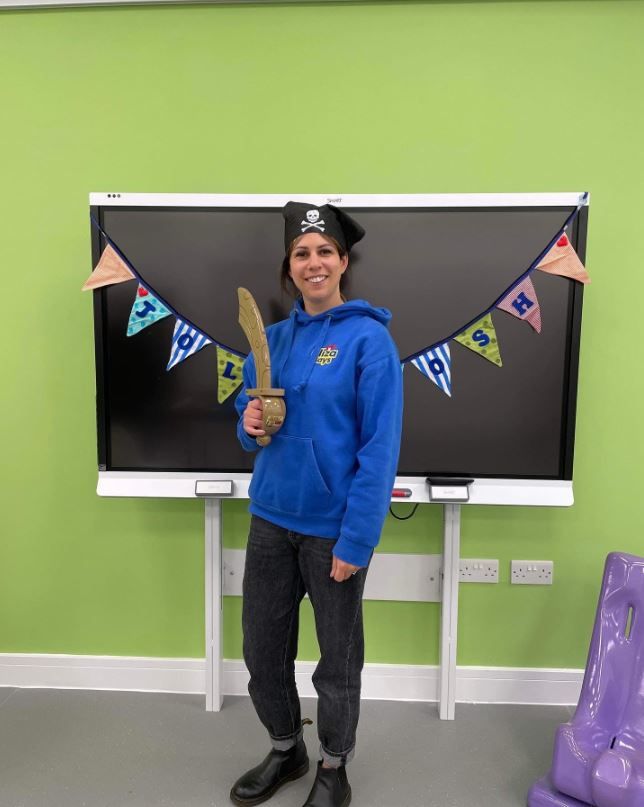
Now, she works in two schools in the borough alongside seven nurseries as well as heling staff at Springhill Hospice communicate with deaf or hard of hearing patients.
She is also working with the community paediatric nursing team to teach them basic signs for when they meet a nonverbal patient and is also I’m working with a home-schooling group in the community of around 25 children
She believes that the next generation of children are going to be what brings the change of inclusion.
“They are a really understanding and inclusive generation and really interested in sign language,” Lorenza said.
“If you get to children at a young age it’s a lot easier to learn the skill. The response has been really good. Every school I go to there's a huge need and want for sign language.
“There's a huge number of non-verbal children in the borough at the moment. They all want to learn. It takes work from us all to make it more inclusive.”


