The Sefton Coast with John Dempsey: Conservation work will protect species that call the coast home
This column looks at the flora, fauna and history of the coastline, and the work that is carried out to protect it

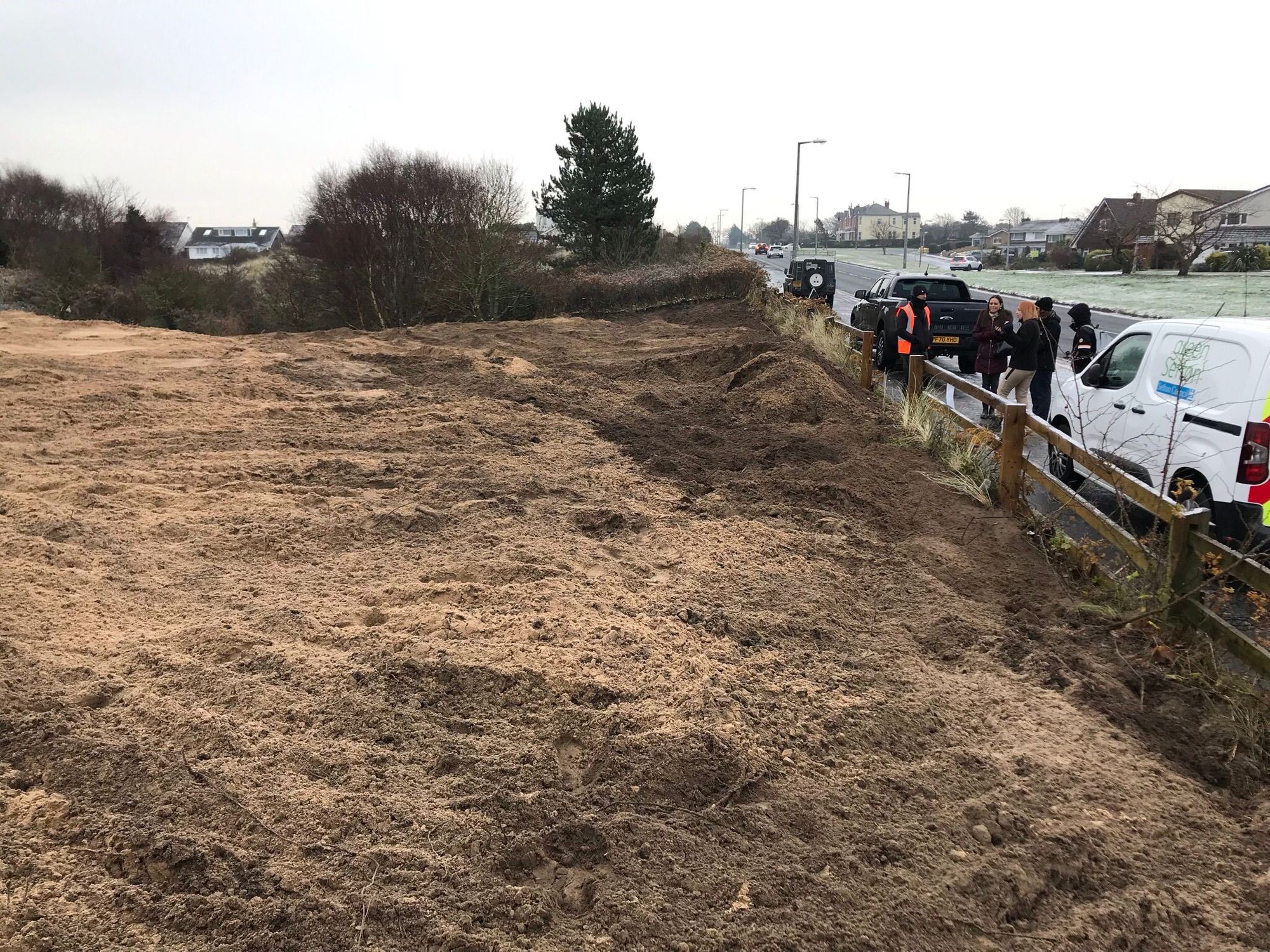
PROTECTING THE VULNERABLE: Conservation work is being carried out along the coast
Submitted by John Dempsey
A new year and with habitat conditions rendered largely unpredictable by climate change, new challenges face the Sefton Coast’s protected flora and fauna and its landscape.
Extremes of prolonged cold like those experienced last month, show a worrying propensity towards long episodes of drought, shorter periods of torrential rainfall and soaring summer temperatures which seem to get higher year on year, all meaning it is harder for the species that call this special place home to survive. Invasive vegetation and scrub would swamp whole areas if left unchecked, making habitats unsuitable for them.
Increased visitor pressure on coastal sites makes it is more difficult every year for species to successfully complete breeding cycles or navigate epic migration journeys. This could spell bad news for the Natterjack Toads and Sand Lizards, Dune Helleborines and Petalwort, Sandwich Terns and Skylarks.
READ MORE
We should never let complacency allow us to believe these species will always remain here - falling population levels suggest quite the opposite. They need continued protection from increasing pressures if they are to persist. We are privileged to have them on our doorstep.
On the upside a programme of winter work by Green Sefton and partners including the Dynamic Dunescapes project, made possible by funding from the Countryside Stewardship Scheme and Heritage Lottery Fund financing, has meant areas of the dunes at Birkdale, Ainsdale and Queens Jubilee Nature Trail at Southport have all benefitted from the removal of invasive species, especially Sea Buckthorn and Rosa rugosa, aka Japanese Rose. By cutting back, digging out and in some cases spraying with selective herbicide, these damaging invaders are controlled to leave a more open landscape with patches of bare sand so beloved of the coastline’s key species.
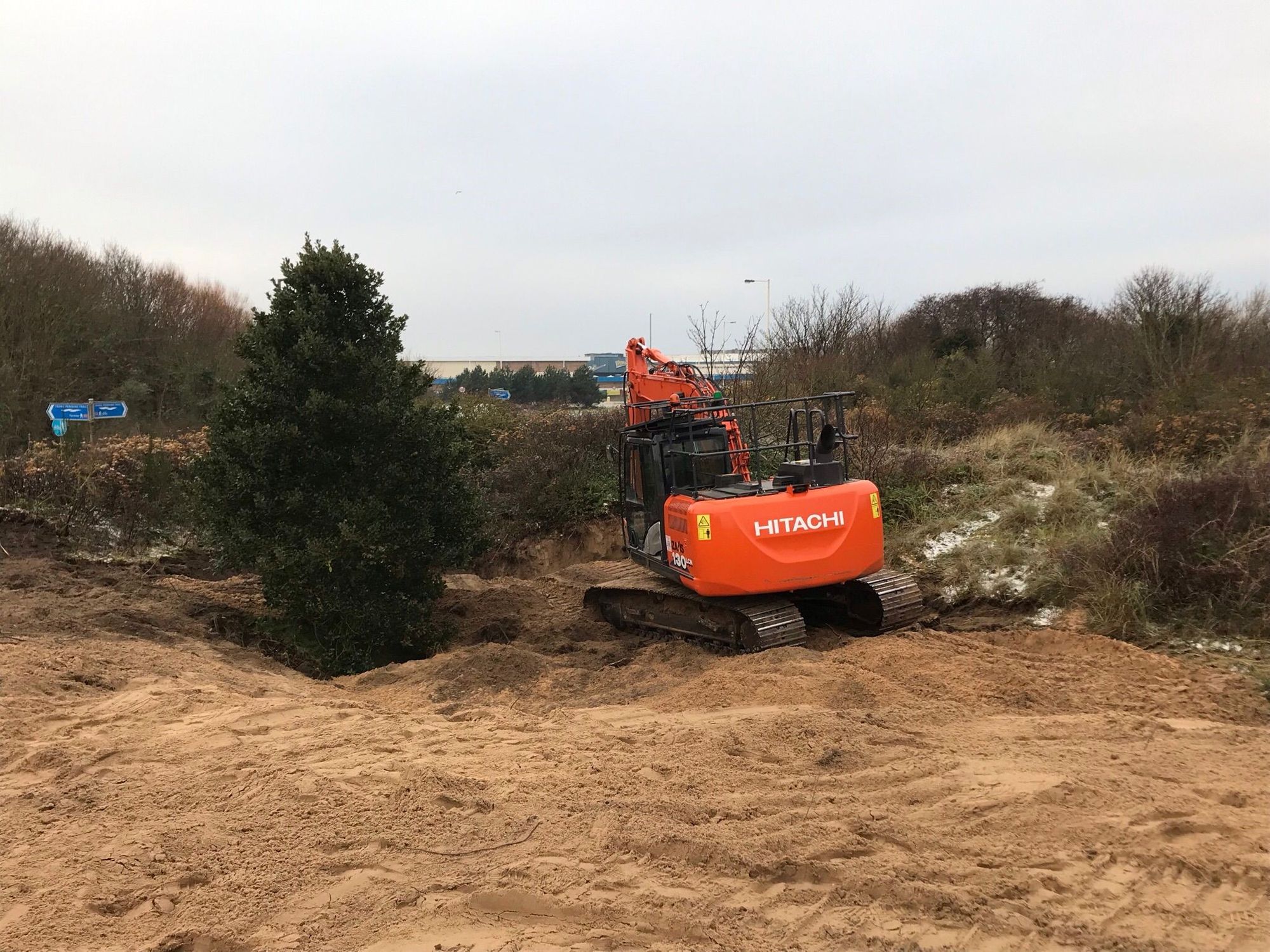
Clearing a number of areas along the coast makes it easier for species to move from place to place, so that populations of species like Sand Lizards are not confined to shrinking islands of suitable habitat. There will always be more to do – and conservation volunteer groups continue to boost the efforts of Green Sefton staff, coastal partners and contractors.
Conservation grazing with Belted Galloway cows and Herdwick Sheep improves the habitat each winter at Ainsdale and hopefully this livestock will be complemented by more cattle on Birkdale Local Nature Reserve in the coming weeks. After public consultation a new Public Space Protection Order for the coast was adopted last year by Sefton Council.
This highlights the need for all visitors to treat the Sefton Coast with respect while enjoying this threatened landscape – signage explaining the PSPO is in place along the coastline at all key access points. It sits alongside the local authority’s Visitor Action Plan which sees partners from the emergency services to conservation bodies working together to protect the coastline during the busy summer months.
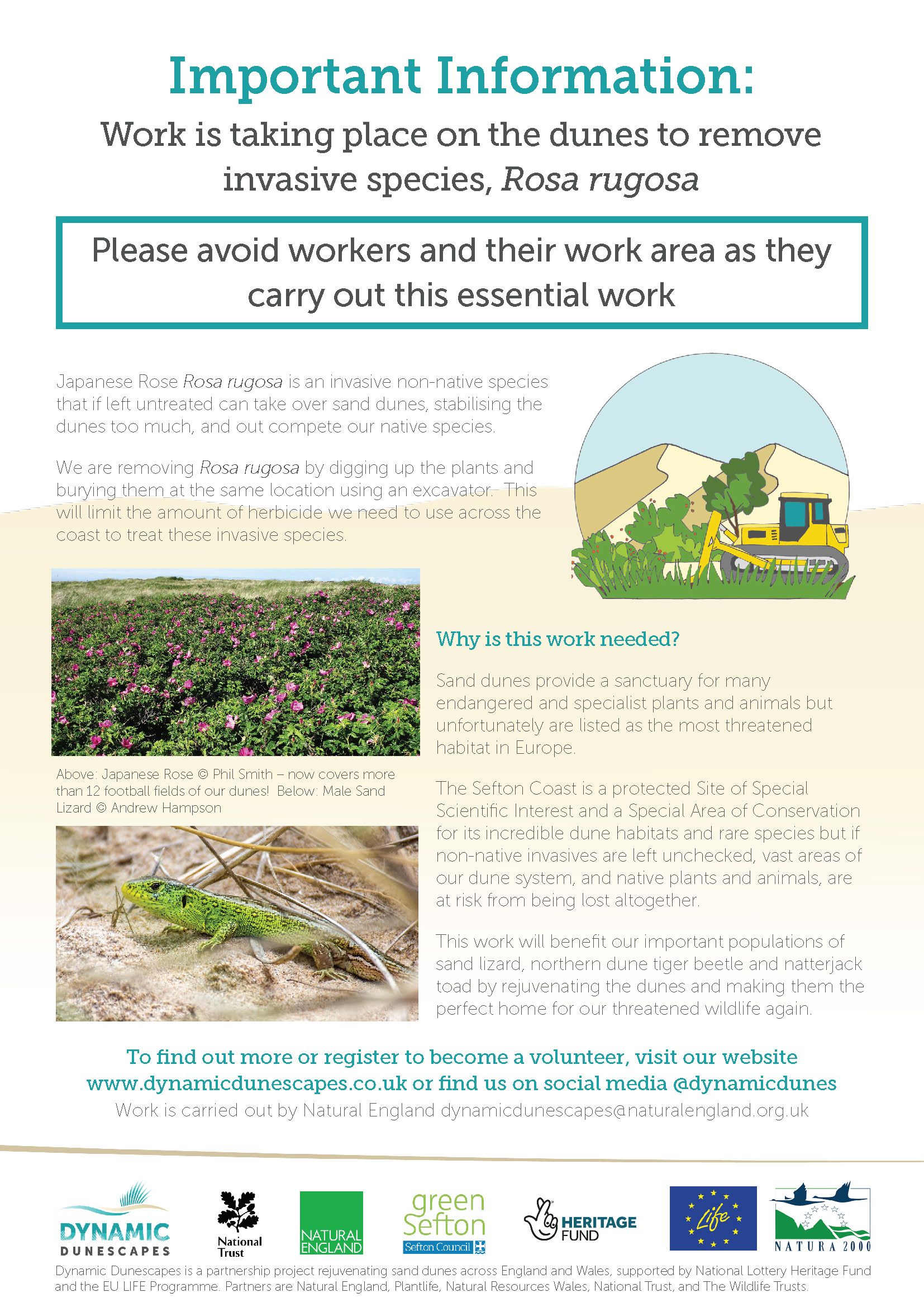
The Sefton Coast’s many protected sites were unified under a single Site of Special Scientific Interest blanket of protection in 2000, and also boasts Special Area of Conservation, Special Protection Area and RAMSAR Wetland status. This means that however people use or enjoy the Sefton Coast, visitors have a responsibility not to disturb its wildlife or damage the habitat.
All of this work and numerous challenges means the Sefton Coast will remain an exciting, cherished and protected place to visit in 2023 and beyond.
CAPTIONS:
Contractors clear Japanese Rose as part of the Dynamic Dunescapes project on the Local Nature Reserve beside Shore Road, Ainsdale
John works for Green Sefton, the Sefton Council service which brings together the Coast & Countryside, Parks & Greenspaces, Flooding & Coastal Erosion, Risk Management and Grounds Maintenance teams for a joined-up approach to the vital management, development and oversight of Sefton’s beautiful coastline, parks and green spaces.
READ NEXT
- Christmas Carol services to watch on TV this festive period
- Britain's most miserable places to live named - see the full list
- Straight Talk with Susan Lee: Christmas cards on the table...
Get all the latest news, updates, things to do and more from Southport, Merseyside's dedicated InYourArea feed.


